Raman Analysis
What is Raman Analysis?Raman analysis is a powerful analytical technique used to identify and study materials based on how they scatter light. When a laser interacts with a sample, most light is scattered without change, but a very small portion shifts in energy, this is known as Raman scattering. These energy shifts provide direct information about molecular vibrations, enabling identification of chemical structure, composition, and interactions. | 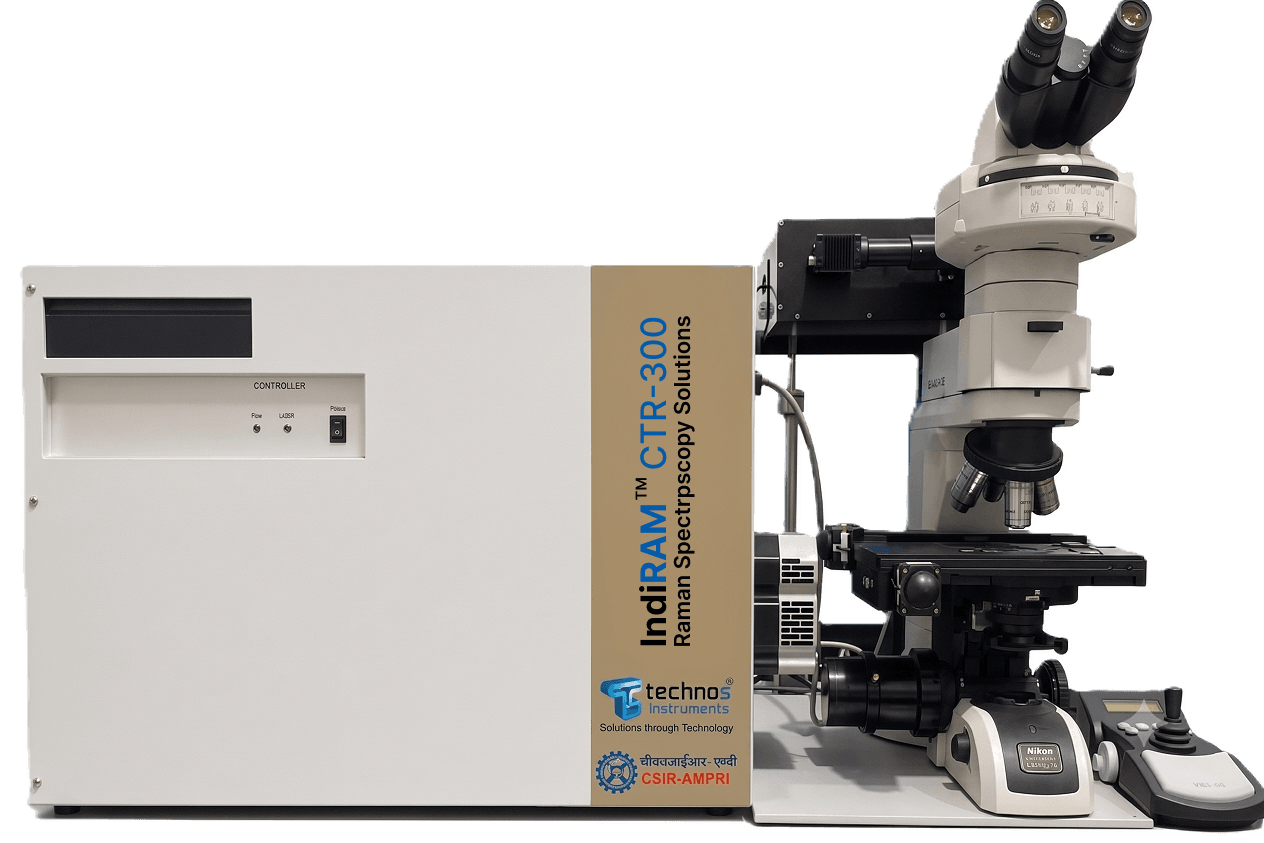 |
How Raman Spectra Analysis Works
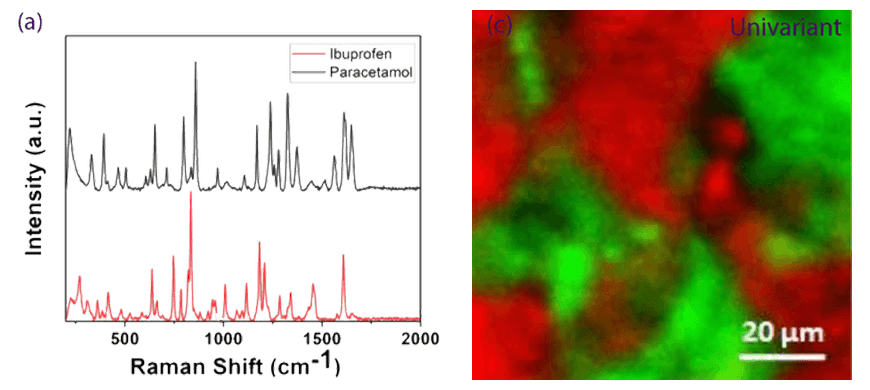
A Raman spectrum is essentially a graphical representation of intensity vs. wavelength (or Raman shift). Each material produces a unique spectral pattern often called a molecular fingerprint.
Key features of Raman spectra:
- Peak Position → Identifies chemical bonds
- Peak Intensity → Indicates concentration
- Peak Shape & Width → Reveals crystallinity and phase
This makes Raman spectra highly effective for both qualitative and quantitative analysis.
Raman Analysis: Instrument Overview
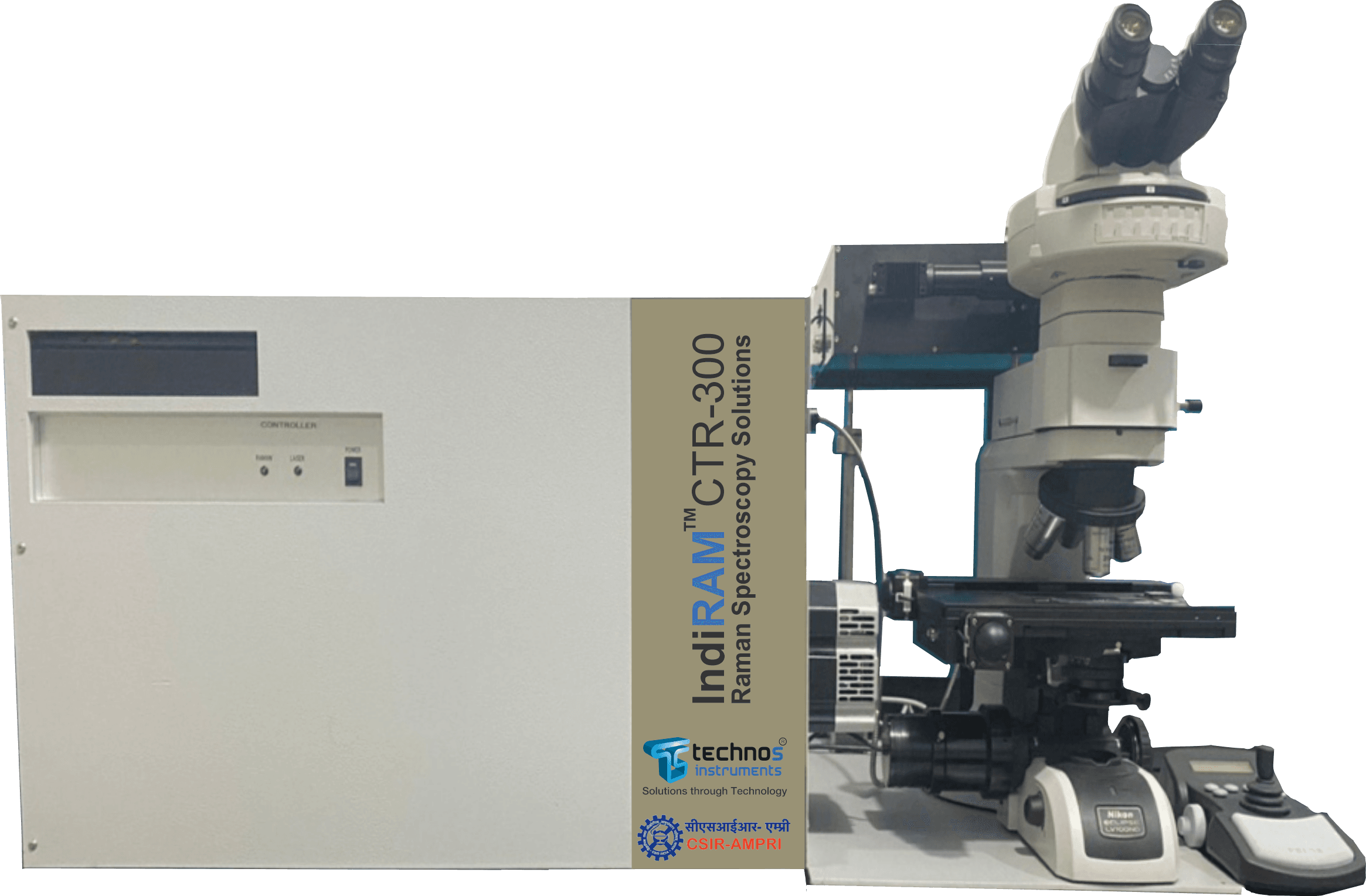
A Raman analysis (or Raman spectrometer) is designed to capture and interpret scattered light from a sample.
Main Components:
- Laser Source → Excites the sample
- Optical System → Collects scattered light
- Filters → Remove unwanted signals (Rayleigh scattering)
- Spectrometer → Separates wavelengths
- Detector (CCD) → Records the Raman spectrum
Modern Raman analysers can be portable, handheld, or lab-based, enabling both field and laboratory applications.
Types of Raman Analysis
1. Qualitative Raman Analysis
| 2. Quantitative Raman Analysis
| 3. Raman Imaging / Mapping
|
Raman Spectrum Analysis Time
Raman spectrum analysis is known for its speed and efficiency, making it a preferred technique for rapid material identification. Once the sample is exposed to a laser source, the scattered light is collected and processed within seconds to generate a Raman spectrum. This quick response allows researchers and industries to make real-time decisions without delays.
The total analysis time depends on factors such as sample type, laser power, and required sensitivity. For simple materials, spectra can be obtained almost instantly, while complex samples may require slightly longer acquisition and processing time. Advanced Raman analysers are equipped with high-performance detectors and optimised optics, enabling faster data collection with high accuracy.
Additionally, modern systems offer real-time spectral processing and database matching, reducing manual effort and improving workflow efficiency. This makes Raman spectrum analysis highly suitable for applications like quality control, on-field testing, and process monitoring where time is critical.
Next-Generation Automated Assays
Raman analysis has significantly evolved with the integration of automation, enabling high-throughput screening of multiple samples with minimal human intervention. Automated Raman systems can be programmed to analyse a large number of samples sequentially, ensuring consistency and reproducibility in results. In high-throughput environments such as pharmaceuticals and material research, Raman analysers can rapidly scan and analyse multiple samples in a short duration. This capability is particularly useful for drug development, polymorph screening, and formulation studies where large datasets are required. Automation also reduces the chances of human error and enhances productivity by streamlining repetitive tasks. Features like auto-focus, automated stage movement, and software-driven spectral analysis allow seamless operation. As a result, Raman analysers are increasingly used in laboratories and industrial setups where speed, precision, and scalability are essential.
Raman Analysis Advantages
- Non-destructive technique
- Minimal or no sample preparation
- Works on solids, liquids, and gases
- High chemical specificity (fingerprint identification)
- Micron-level spatial resolution possible
Why Choose Raman Analysis?
Raman analysis stands out because it provides rapid, accurate, and non-invasive chemical insights. Its ability to deliver both structural and compositional data makes it a preferred technique in research, quality control, and industrial applications.
Raman analysis, supported by advanced Raman analysers, is a highly versatile technique for understanding material composition at the molecular level. With its fingerprint-based identification and minimal sample preparation, it continues to be a key tool in modern scientific and industrial analysis.
Request for Information
Do you have any questions or requests? Use this form to contact our team.