Applications of Raman Spectroscopy
Applications of Raman Spectroscopy
Raman spectroscopy is a powerful, non-destructive analytical technique used to study the molecular composition and structure of materials. It works by measuring the inelastic scattering of laser light when it interacts with molecules. The resulting Raman shift acts as a unique molecular fingerprint, allowing scientists to identify chemical compounds, analyze crystal structures, and detect material properties with high precision.
First discovered by Nobel laureate Sir C.V. Raman in 1928, this technique has evolved significantly with modern instruments that combine advanced lasers, sensitive detectors, and powerful data analysis software. Today, Raman spectroscopy Application is widely used across industries including pharmaceuticals, materials science, geology, semiconductors, and life sciences because it requires minimal sample preparation and does not damage the sample.
1. Pharmaceuticals and Cosmetics
Raman spectroscopy plays an important role in pharmaceutical manufacturing and quality control.
Key Applications include:
Its ability to Analyze samples through transparent packaging makes it ideal for rapid, non-invasive testing. | 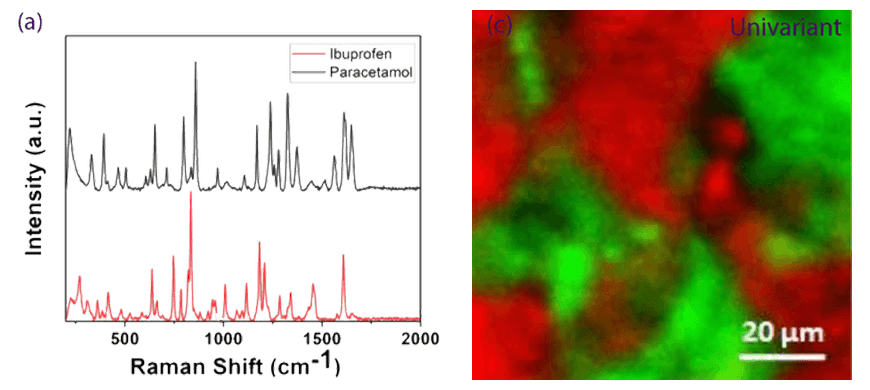 |
2. Geology and Mineralogy
Raman spectroscopy is widely used in earth sciences for identifying minerals and studying geological materials.
Applications include:
Because it is non-destructive, IndiRAM Portable Raman Spectrometer system is particularly useful for studying valuable or rare geological samples. | 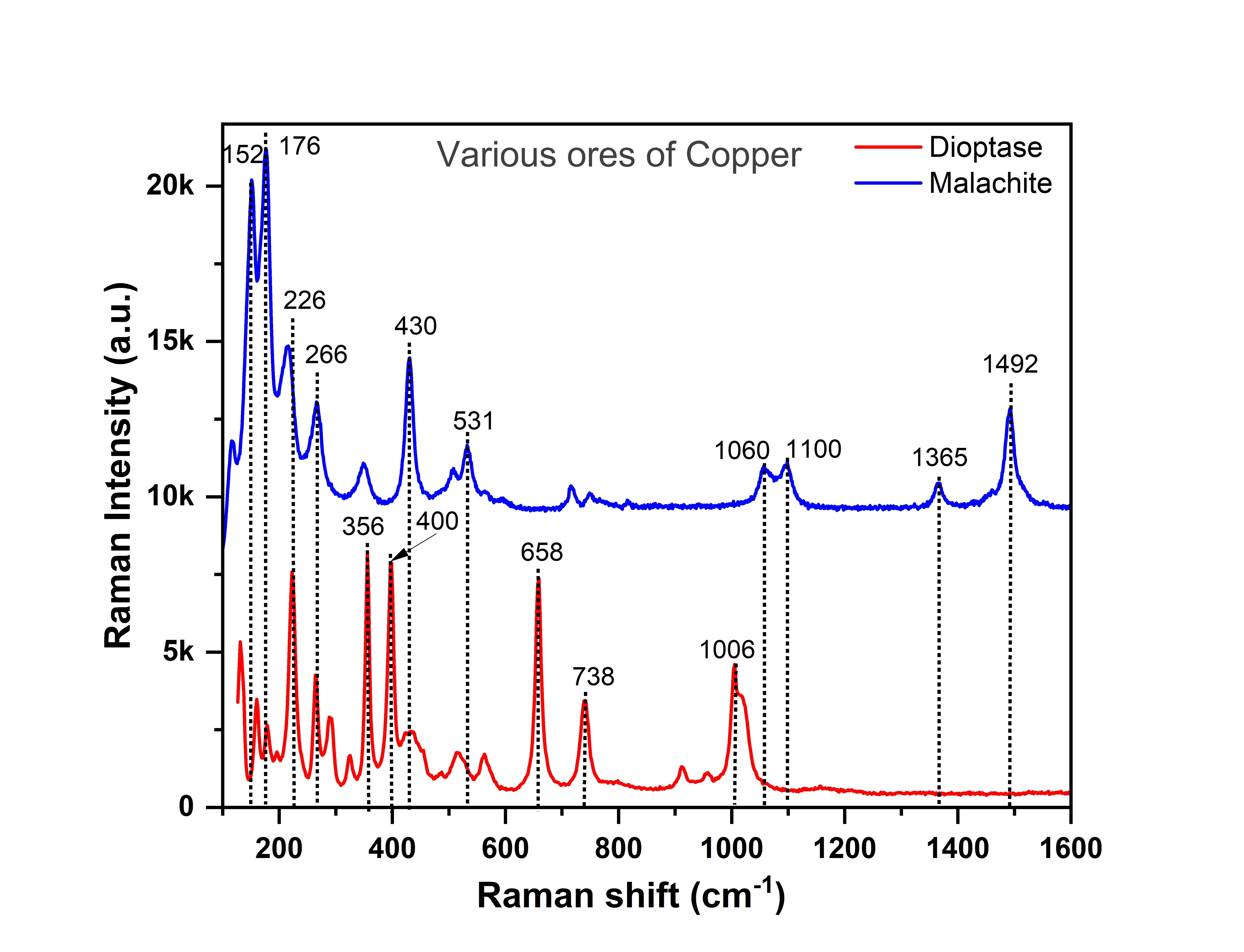 |
3. Carbon Materials
Raman spectroscopy is one of the most important tools for studying carbon-based materials.
Key applications include:
The well-known D and G Raman bands provide valuable insights into the structure and quality of carbon materials. | 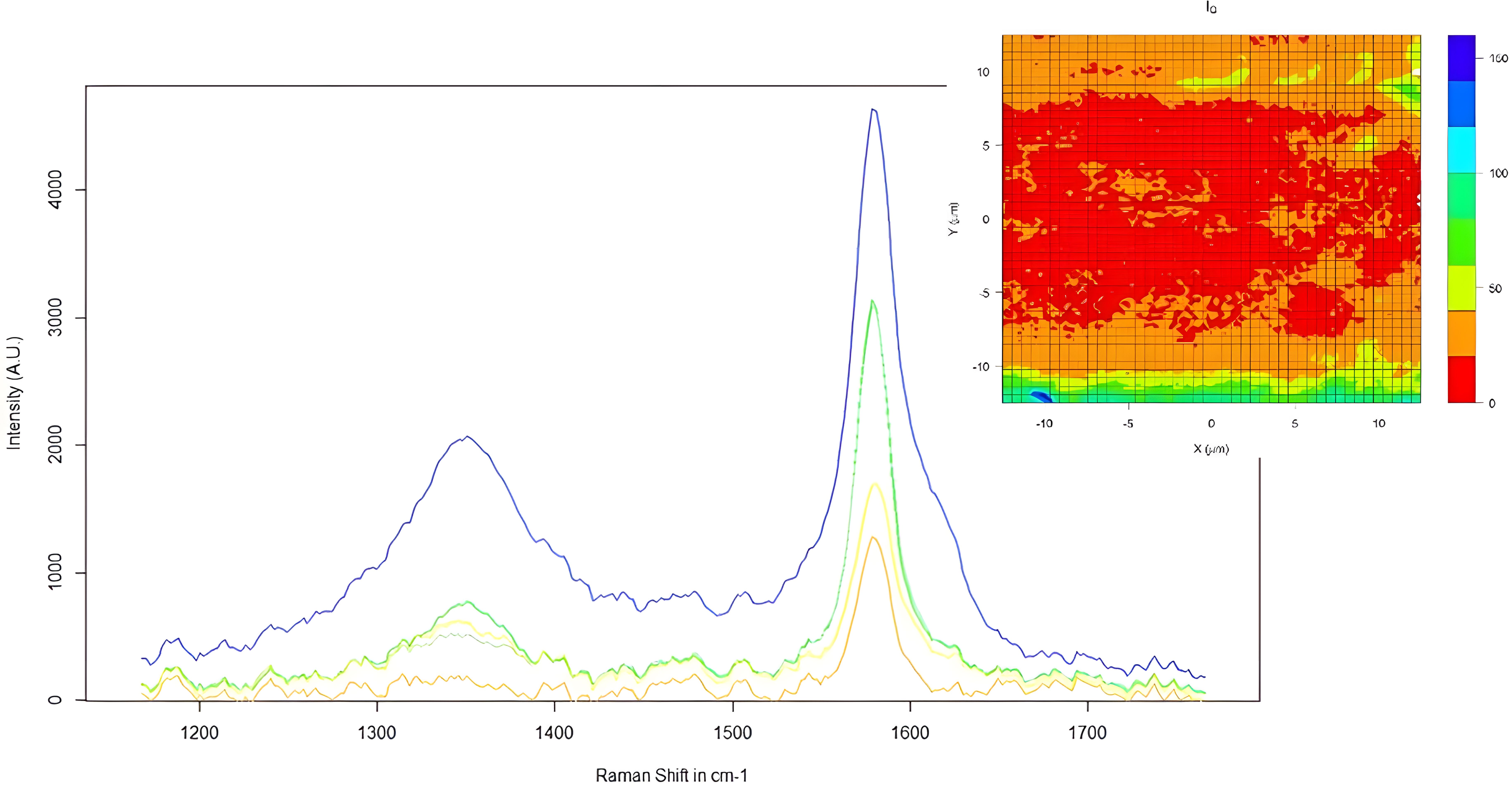 |
4. Semiconductor Technology
In semiconductor research and manufacturing, Raman spectroscopy helps analyze material properties at the microscopic level.
Applications include:
These insights are essential for improving the performance and reliability of electronic devices. IndiRAM™ CTR-Series Raman spectroscopy systems provide precise microscopic-level analysis. | 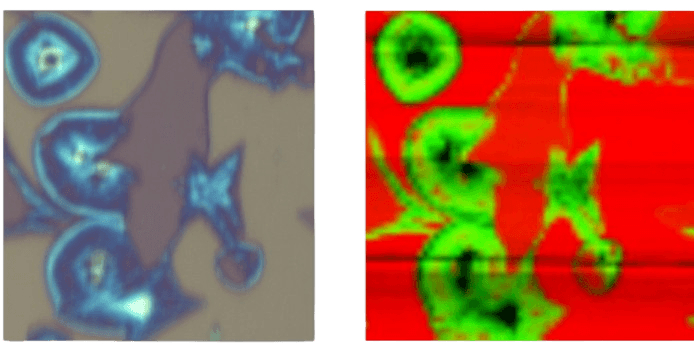 |
5. Life Sciences and Biomedical Research
Raman spectroscopy is increasingly used in biology and medical research because it allows label-free chemical analysis of biological samples.
Applications include:
- Cancer detection and tissue analysis
- DNA and RNA structural studies
- Monitoring drug interactions with cells
- Bone composition analysis
- Single-cell identification and metabolic analysis
The ability to study living cells without staining or preparation makes Raman spectroscopy a valuable biomedical tool.
6. Food Quality Control
Raman spectroscopy is becoming an important tool in the food industry for ensuring product safety and authenticity.
Applications include:
Because it requires minimal sample preparation, IndiRAM Raman solution provides rapid and reliable quality control for food products. | 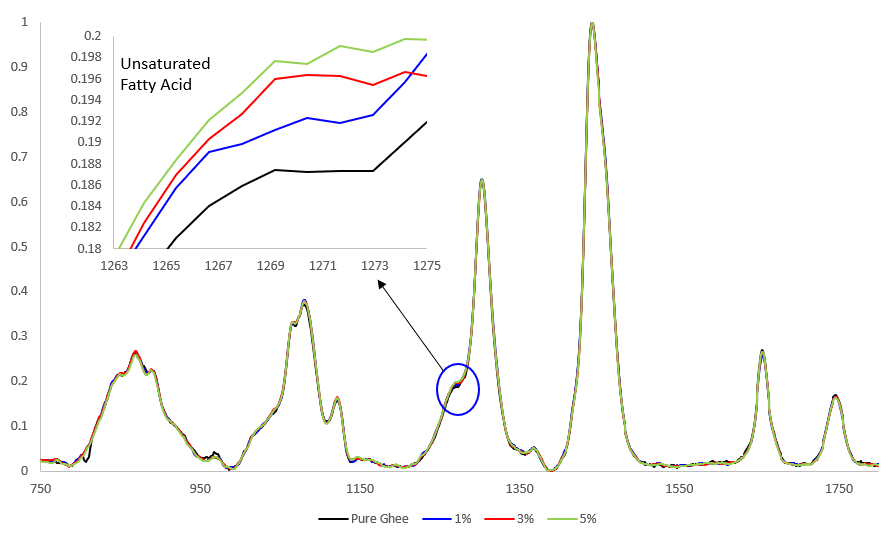 |
7. Forensic Science
Raman spectroscopy is widely used in Forensic Tracer Analysis and Laboratories due to its ability to identify unknown substances quickly and non-destructively.
Applications include:
IndiRAM Portable Raman allow investigators to perform on-site chemical analysis without damaging evidence. | 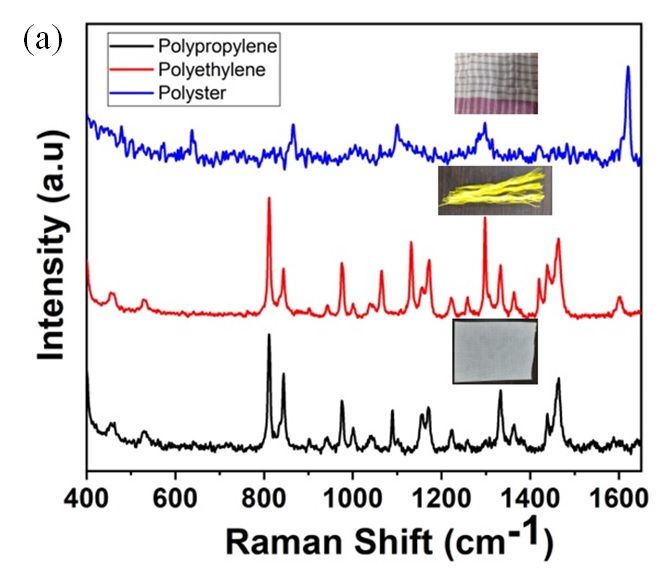 |
8. Diamond Research and Detection
Raman spectroscopy is widely used in diamond research and gemstone analysis because it can accurately identify the crystal structure of diamonds. Each diamond produces a distinct Raman peak, allowing researchers and gemologists to differentiate between natural diamonds, synthetic diamonds, and diamond simulants.
Advanced Raman-based systems such as the IndiRAM Diamond Detection System provide a reliable and rapid method for diamond verification. These systems are designed specifically for gemstone laboratories, diamond traders, and research institutions.
How IndiRAM Diamond Detection System Helps:
- Accurate identification of natural and synthetic diamonds
- Detection of diamond simulants such as moissanite or cubic zirconia
- Non-destructive testing without damaging the gemstone
- Rapid screening for diamond batches in laboratories and trading centers
- High precision analysis based on Raman spectral fingerprinting
By using Raman spectroscopy, the IndiRAM Diamond Detection System ensures fast, reliable, and scientifically validated diamond identification, making it an essential tool for the diamond industry and research laboratories.
Conclusion -
Raman spectroscopy has become one of the most versatile analytical tools in modern science and industry. Its non-destructive nature, high chemical specificity, and minimal sample preparation make it ideal for a wide range of applications.
From pharmaceutical quality control and semiconductor research to environmental monitoring and art conservation, IndiRAM Raman spectroscopy solutions provide fast and reliable insights into material composition and structure. As TechnoS Instruments continues to advance, the role of Raman spectroscopy in research and industrial analysis will continue to expand.
Related Products
Request for Information
Do you have any questions or requests? Use this form to contact our team.