
SERS-Electrolytic Processed
About The product
TechnoS silver SERS substrates processed by electrolysis enhance the signal by 1000 times. These substrates could be used in various application such as Pharmaceuticals, Biomedical, Textile, Food etc. Silver is one of the noble metals with cheaper cost and good surface enhanced Raman scattering. Preparationof SERS substrates through electrolysis introduces a dynamic approach. Metal ions are reduced and deposited onto electrodes, fostering the growth of nanostructured surfaces with enhanced electromagnetic fields. The resulting substrates not only facilitate the adsorption of analytes of interest but also serve as conduits for achieving remarkably amplified Raman signals.
Product Features
Highly Reliable and Reproducible
- Reusable Substrate
- Customized size and shape available upon request
- Compact & Easy to use
- Low Cost
Areas of Application

Pharmaceutical

Agriculture (Pesticides, Food Safety)

Narcotics &Explosives

Life Sciences and Medical Diagnostic
Request for Information
Do you have any questions or requests? Use this form to contact our team.
Related Products
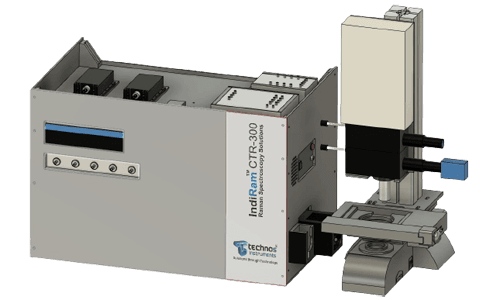
Application Note

Battery Materials
A fundamental understanding of battery materials and their characterization is very important in taking the technology forward in a quick phase.
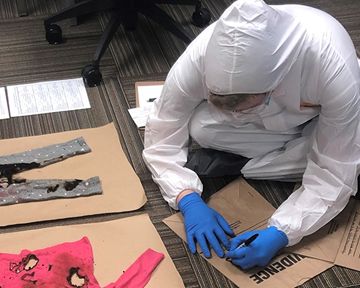
Tracer Forensic Analysis
Raman Spectroscopy has found applications in diverse fields of forensic science, such as toxicology, trace analysis, drug detection, and document authentication.
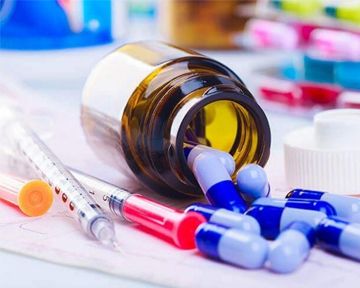
Pharmaceutical API / RMID
The quality of the pharmaceutical product depends on the uniformity of the Active Pharmaceutical Ingredients (API) and excipients.
What is the Surface Enhanced Raman Spectroscopy
Surface Enhanced Raman Spectroscopy (SERS) stands at the forefront of modern analytical techniques, offering unprecedented insights into the molecular world with exceptional sensitivity and specificity. At its core, SERS Substrates Raman Spectroscopy harnesses the principles of Raman spectroscopy, a powerful method for identifying and characterizing molecules based on their unique vibrational signatures.
However, what sets SERS apart is its ability to enhance the Raman signals of molecules adsorbed onto specially designed surfaces, amplifying their signals by several orders of magnitude. In this article, we delve into the intricacies of Surface Enhanced Raman Spectroscopy, exploring its principles, applications, and the latest advancements shaping this revolutionary analytical technique.
Exploring the Role of SERS Substrates in Raman Spectroscopy
Surface Enhanced Raman Spectroscopy (SERS) has emerged as a powerful analytical technique for molecular characterization, offering enhanced sensitivity and selectivity compared to traditional Raman spectroscopy methods. At the heart of SERS lies the use of specially designed substrates, known as SERS substrates, which play a pivotal role in amplifying Raman signals and unlocking new capabilities in molecular analysis. In this article, we delve into the intricate relationship between SERS substrates and Raman spectroscopy, exploring their role and significance in advancing the field of molecular spectroscopy.
Understanding Surface Enhanced Raman Spectroscopy
An overview of the principles and mechanisms underlying SERS, including the enhancement of Raman signals through interactions with SERS substrates.
- Explain the importance of SERS in enhancing sensitivity and enabling the detection of molecules at trace levels.
The Significance of SERS Substrates
Define SERS substrates and their role as platforms for enhancing Raman signals.
- Discuss the different types of SERS substrates, including metallic nanoparticles, nanostructured surfaces, and hybrid materials.
- Explore the factors influencing the performance of SERS substrates, such as substrate morphology, composition, and surface plasmon resonance properties.
Advancements in Raman Spectroscopy The Impact of SERS Substrates
Raman spectroscopy has undergone significant advancements in recent years, largely due to the incorporation of Surface Enhanced Raman Spectroscopy (SERS) substrates. These substrates have revolutionized the field by enhancing the sensitivity and selectivity of Raman spectroscopy techniques, leading to breakthroughs in various scientific disciplines.
In this article, we explore the latest advancements in Raman spectroscopy and examine the profound impact of SERS substrates on the field.
Evolution of Raman Spectroscopy
Raman spectroscopy has long been a valuable tool for molecular analysis. We have 30 Years of Experience offering insights into molecular structures and chemical compositions. However, traditional Raman spectroscopy has limitations in terms of sensitivity, particularly when detecting trace amounts of analytes.
Introduction of SERS Substrates
The introduction of SERS substrates has transformed Raman spectroscopy by amplifying Raman signals and enabling the detection of molecules at much lower concentrations. These substrates typically consist of nanostructured surfaces, such as metallic nanoparticles or roughened metal surfaces, that enhance the electromagnetic field around molecules adsorbed onto them.
Enhancing Sensitivity & Selectivity
SERS substrates enhance sensitivity and selectivity in Raman spectroscopy for Surface Enhanced Raman Spectroscopy by several orders of magnitude. This advancement allows researchers to detect molecules with exceptional precision, even in complex biological or environmental samples. The enhanced sensitivity of SERS substrates has opened up new avenues for applications in fields such as biomedical diagnostics, environmental monitoring, and materials science.
Future Directions and Challenges
Looking ahead, the future of Raman spectroscopy lies in further advancements in SERS Substrates Raman Spectroscopy SERS substrate technology. Researchers are exploring novel materials, fabrication techniques, and integration strategies to improve the performance and versatility of SERS substrates.